
Water Heater Replacement & Installation in Wallingford, CT
Reliable Hot Water, Installed Right the First Time
Efficient Installations for Gas, Electric & Tankless Systems

When your water heater can’t keep up, leaks, or is past its prime, it's time to upgrade to something better. At Mansolf Plumbing and Heating, we specialize in full-service water heater replacement and installation for homeowners in Wallingford, Cheshire, North Haven, and surrounding Connecticut areas. Whether you’re looking for a standard tank model or a space-saving tankless system, our licensed plumbers help you choose the right fit for your home, budget, and hot water needs. We take care of everything—from safely removing your old unit to fully installing and testing the new one—so you can enjoy reliable hot water with zero stress.
A New Water Heater You Can Depend On
- Gas and electric water heater installation
- Tank-to-tankless conversions
- High-efficiency and ENERGY STAR-rated systems
- Proper venting, plumbing, and electrical hookups
- Safe removal and disposal of old water heaters
- Expansion tank, gas shutoff, and pressure valve installation
- Code-compliant and fully permitted installations
- Same-day installation available in most cases
- Honest guidance on brand, size, and energy savings
- Installed by licensed, insured professionals
Professional Help Choosing and Installing the Right System
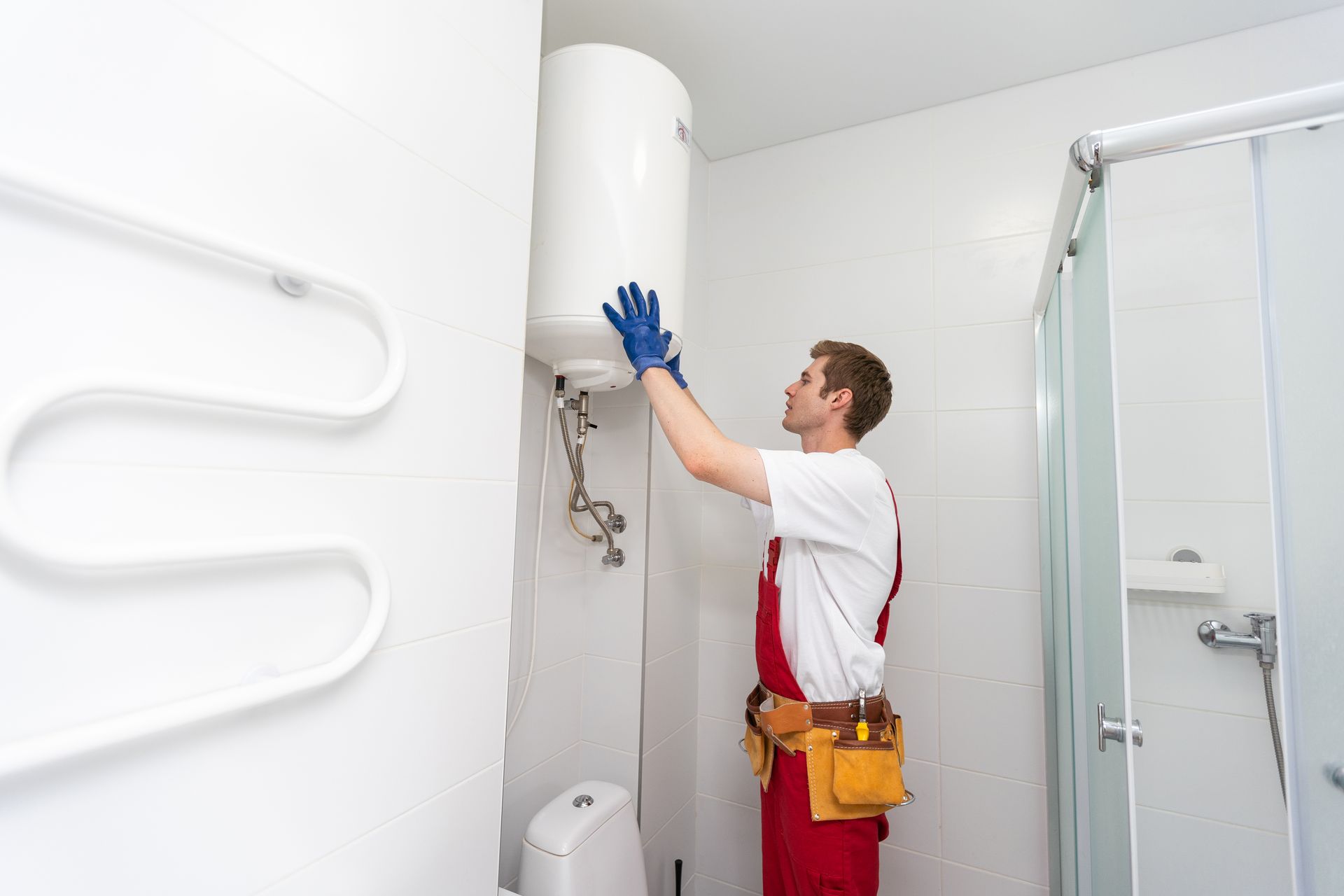
Sized to Your Household, Not to a Rule of Thumb
A water heater replacement is a ten-to-fifteen-year decision, so the sizing conversation matters more than the brand conversation. We look at how many people are in the house, when hot water demand actually peaks, whether you have a soaking tub or a high-flow shower, and what your existing venting and gas supply can support. Then we recommend a system, in writing, with the reason attached.
Water heater installation in Wallingford, CT includes permitting and Connecticut code compliance as part of the job rather than as a line item you find out about later. That covers expansion tank installation, properly vented connections, and any electrical or gas work the new unit requires.
- Recommendations based on household size and actual usage patterns
- Tank, tankless, gas, electric, and high-efficiency condensing models
- Bradford White, AO Smith, Rheem, and Navien among the brands we install
- Safe removal and disposal of the old unit
- Full walkthrough of operation and maintenance before we leave
If your current unit is only a few years old and the problem is intermittent,
water heater repair may be the better answer and we'll say so. If you're moving to a tankless system,
tankless water heater installation and maintenance covers what that involves, and a tank-to-tankless or oil-to-gas conversion often needs
gas line repair and installation to supply the higher input rate. Ongoing maintenance is covered under our
Care Club.
Tank vs. Tankless in a Connecticut Home
The tank versus tankless water heater decision gets framed as a simple efficiency comparison, and in an older Connecticut home it usually isn't. Three local factors move the math more than the efficiency rating does.
Step 1:
Venting
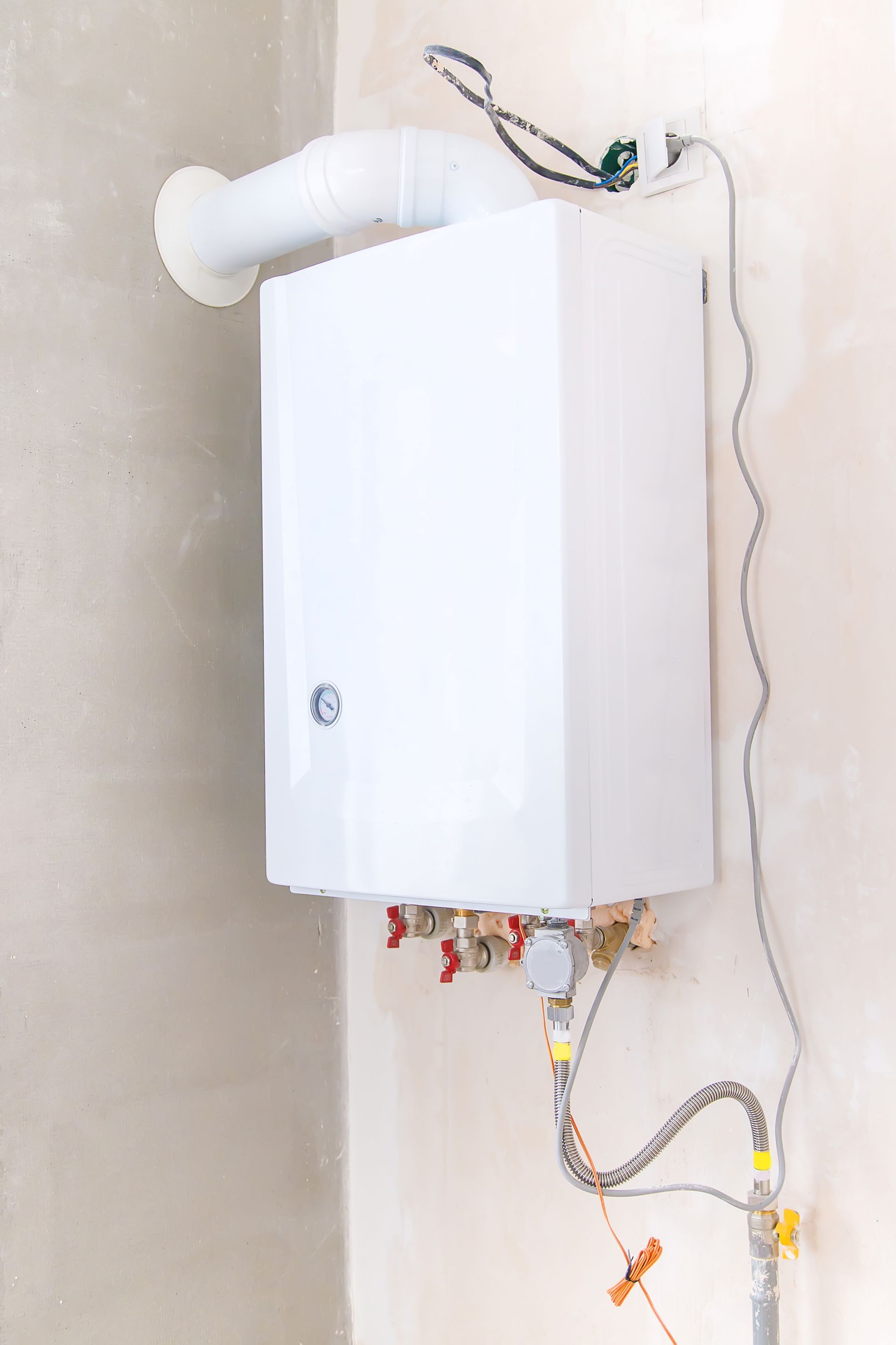
Tankless units are high-input and vent differently than a standard tank. In an older home with a masonry chimney or a shared flue, that can mean running new stainless or PVC venting to an exterior wall. It's routine work, and it's also the line item that surprises people.
Step 2:
Gas supply
A tankless unit can call for several times the input of the tank it's replacing. If your gas line and meter were sized for a 40-gallon tank and a range, the line may need upsizing before the unit will perform to spec. We check this before quoting, not after.
Step 3:
Incoming water temperature
Connecticut groundwater runs cold in winter, which means a tankless unit has to raise incoming water further to hit your setpoint. That reduces the flow rate it can deliver at once. Sizing for a February shower rather than an August one is the difference between endless hot water and a disappointing one.
None of that argues against tankless. It argues for pricing the real installation instead of the catalog one.
- Tank: lower upfront cost, simpler installation, 8 to 12 year typical lifespan, limited by capacity
- Tankless:
higher upfront cost, 15 to 20 year typical lifespan with maintenance, endless supply within its flow rate, benefits from annual descaling
- Best case for tank:
straightforward swap, moderate demand, budget is the priority
- Best case for tankless:
high or unpredictable demand, tight mechanical space, long ownership horizon
What Our Clients Say About Us
FREQUENTLY ASKED QUESTIONS
Water Heater Questions Connecticut Homeowners Ask
How long do water heaters last?
Most traditional tank water heaters last 8 to 12 years. Tankless units last 15 to 20 years with annual descaling. If yours is past that range, leaking, or no longer keeping up with demand, replacement is usually the better spend.
Which is better: tank or tankless?
Tankless is better if you have high or unpredictable hot water demand, limited mechanical space, and plan to stay in the house long enough to earn back the higher install cost. Tank is better if the priority is a straightforward swap at a lower upfront price. In an older Connecticut home, venting and gas line capacity often decide it before preference does.
How long does a water heater installation take?
A standard tank replacement takes 3 to 5 hours. A tankless installation or a tank-to-tankless conversion takes longer, often a full day, because of new venting and possible gas line work. You get a specific timeline before we start.
How much does it cost to install a water heater in CT?
Standard tank installation typically runs $1,200 to $2,500. Tankless systems start around $2,500 and go up depending on venting and gas line requirements. You get a written price after we've seen the existing setup.
What size water heater do I need?
A household of four is usually well served by a 40 to 50 gallon tank. Larger homes or high simultaneous demand may need 75 gallons or more, or a properly sized tankless unit. We size based on your peak usage rather than square footage.
Do you handle permits and code compliance?
Yes, on every installation. We pull the permits and our work meets or exceeds Connecticut code, including expansion tanks, properly vented connections, and required safety devices. This is included in the job.
Does a tankless water heater need maintenance?
Yes. Tankless units need annual descaling to keep the heat exchanger clear, and Connecticut's water hardness makes that more important here than in soft-water regions. Skipping it shortens the unit's life and voids most manufacturer warranties.
Can I convert from an electric tank to gas?
Often, yes, but it depends on whether gas service reaches the house and whether the line can supply the new unit. We check both before recommending it, since a conversion involves gas line work and new venting on top of the unit itself.