
Oil Tank Removal and Installation in Connecticut
Mansolf Plumbing and Heating removes and installs residential heating oil tanks across Wallingford and New Haven County, and we tell you upfront what your town, your fire marshal, and the soil will each require, so an old tank never becomes the reason a closing slips.
Oil tank removal in CT is a permitted, inspected job rather than a haul-away. Whether the tank sits in your basement or under the side yard, the work involves pumping and cleaning it, notifying your local fire marshal, cutting and removing the tank, and confirming nothing has leaked into the ground around it. We handle above ground and underground tanks, and we handle the notifications and paperwork that go with them.
Two situations bring almost everyone to this page. Either a sale is in motion and someone flagged the tank, or the tank is simply old and you'd rather replace it on your schedule than on its schedule.
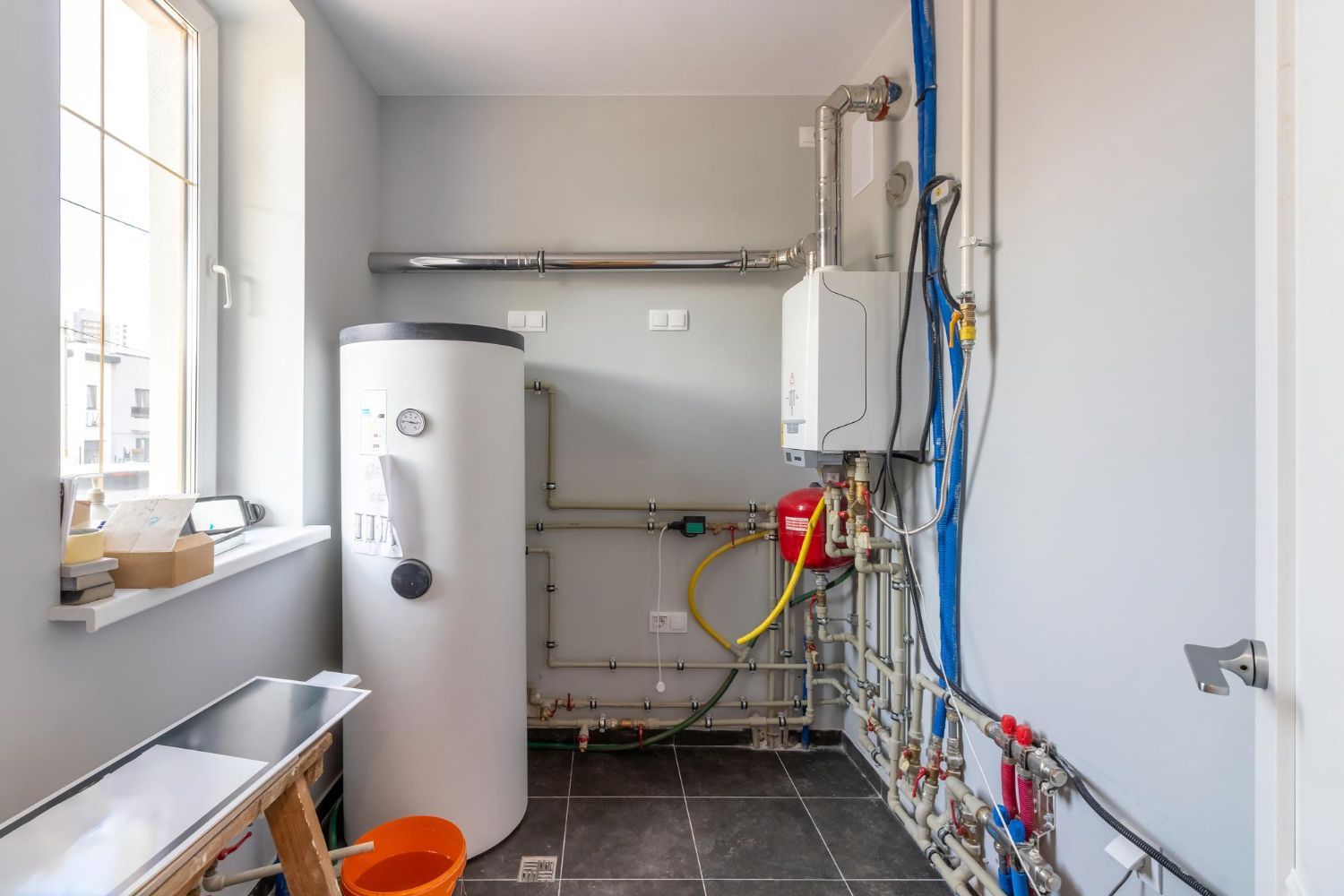
Start here: nothing in Connecticut law requires you to remove a heating oil tank that isn't leaking. There's no state deadline, and a local fire marshal can only compel removal if the tank presents a hazard. What actually creates the deadline is your buyer's lender or their insurer, both of which frequently decline to close on a property with an unresolved underground tank.
What the state does require is disclosure. Sellers of one-to-four-family homes have to tell buyers about a known underground fuel tank, which is usually the moment the issue surfaces. From there, the path to a clean closing is documentation: a professional removal, a soil sample confirming no release, and a written closeout summary with the lab results attached. That package satisfies most lenders and insurers. Connecticut DEEP publishes
a homeowner FAQ on residential tanks that's worth reading if you want the underlying detail.
Your Tank Got Flagged During a Home Sale
Replacing a Tank Before It Becomes a Problem
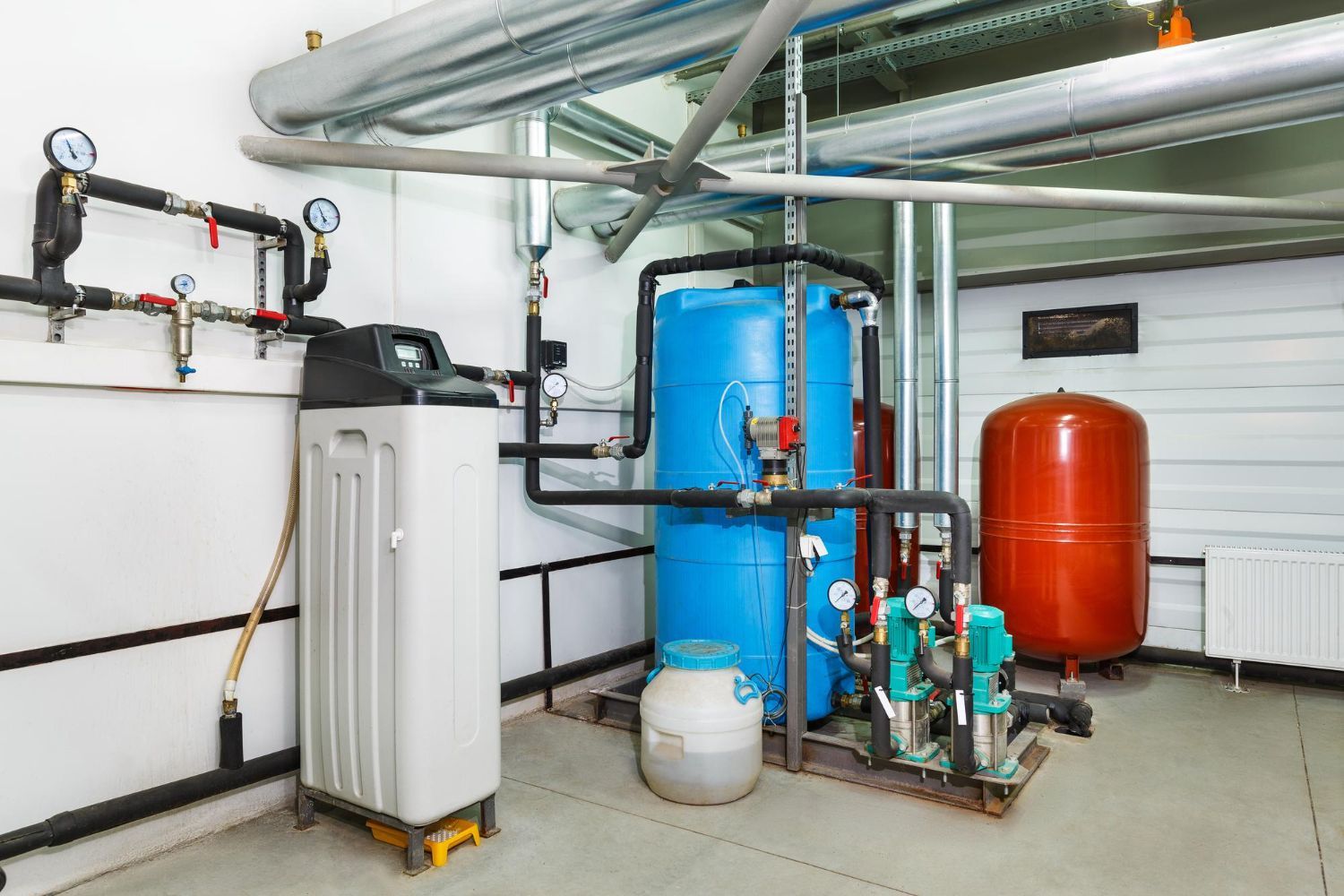
The other reason to do this work is that steel tanks don't last forever, and the failure mode is a leak you can't see. Replacing on your own timeline costs a fraction of cleaning up after a release.
- Your tank is more than 20 years old and has never been inspected internally
- You see weeping, rust bleed, or damp staining at the seams or the bottom seam
- The tank sits on bare basement floor or soil with no pad and no protective barrier
- Fuel consumption has climbed without a matching change in weather or thermostat habits
- Your oil supply line runs underground or through a concrete floor without a protective sleeve
That last one is worth acting on quickly. Buried and encased supply lines are a common source of residential heating oil releases, and they're inexpensive to correct compared to the alternative. If you're weighing whether to replace the tank or move off oil entirely, that decision usually gets made alongside
boiler replacement and installation, and if you're converting to natural gas it also involves
gas line repair and installation.
Above Ground vs. Underground:
What Actually Changes
Above Ground Tanks
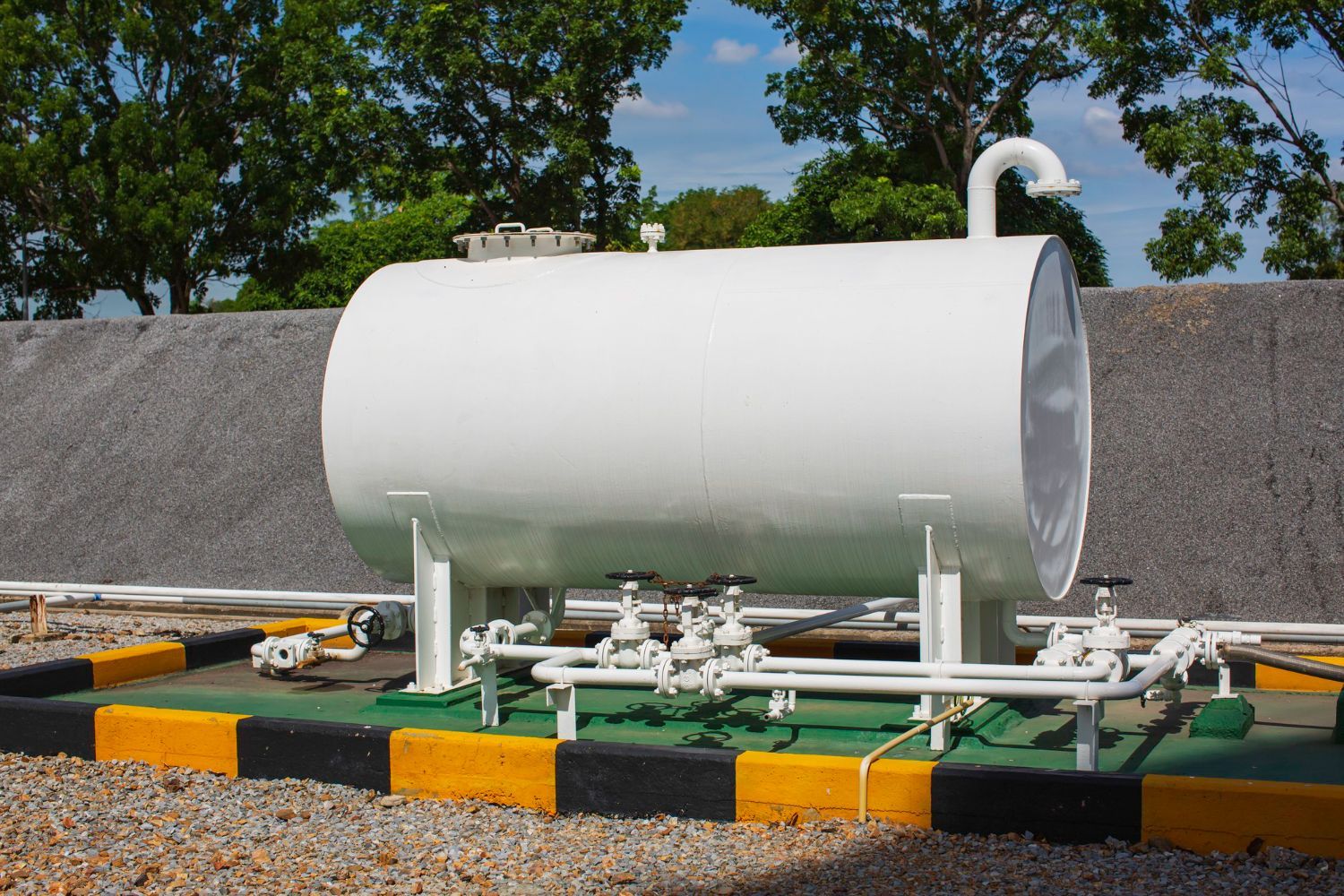
- Typically a 275-gallon tank in a basement, garage, or alongside the house
- No excavation, and most removals are finished in a few hours
- Tank is pumped, cleaned, cut down if it won't fit through the door, and hauled out
- Any staining under or around the tank gets investigated before we close out the job
- Replacement can usually happen the same visit
Underground Tanks
- Requires excavation, which means locating the tank and any utility lines first
- Local fire marshal notification is required before the tank comes out
- Soil sampling beneath the tank confirms whether a release occurred
- Site is backfilled and graded after removal
- Contamination, if found, converts the job from a removal into a remediation
How an Oil Tank Removal Actually Goes
Step 1:
Site visit and assessment
We confirm tank location, size, access, and whether the supply lines are exposed or buried. You get a written scope and price from this visit, not a phone estimate.
Step 2:
Permitting and notification
We check your town's requirements and notify your local fire marshal. For underground tanks, the fire marshal is typically present or inspects during removal.
Step 3:
Pumping and cleaning
Remaining fuel and sludge are pumped out and disposed of properly. The tank is cleaned so it can be handled and scrapped safely.
Step 4:
Removal
Above ground tanks are cut down as needed and carried out. Underground tanks are excavated, lifted, and loaded.
Step 5:
Soil sampling
Samples are collected from beneath and around the tank and sent to a lab. We don't backfill an underground excavation before we know what the soil looks like.
Step 6:
Closeout documentation
You get a written summary of the removal, disposal records, and the lab results. This is the paperwork a lender, insurer, or buyer's attorney will ask for.
What Soil Testing Tells You, and When It Matters
Soil sampling is required before abandoning a tank in place, and we treat it as standard on every underground removal regardless of whether your town insists. The reason is simple: a clean sample is the only thing that proves the tank didn't leak, and that proof is what makes the rest of a transaction go quietly.
If a sample comes back showing petroleum contamination, the situation changes. The release has to be reported to DEEP's Emergency Response and Spill Prevention Division, and the affected soil has to be removed and disposed of. That work is priced separately, it's substantially more expensive than the removal itself, and it depends entirely on how far the oil traveled. We won't quote a remediation before we know the extent of it, and we'd rather tell you that plainly than hand you a low number that moves later.
Abandoning a tank in place, meaning filling it with sand or slurry instead of removing it, is generally only appropriate when the tank sits under a structure and can't be reached without endangering a foundation. DEEP discourages it otherwise, and a soil sample is still required first.
What Oil Tank Removal Costs in Connecticut
$400–$1,800
Typical range for a straightforward above ground tank removal, depending on size and access
$1,600–$3,200
Typical range for a clean underground tank removal in Connecticut, including excavation and soil sampling
$3,000–$5,000+
Larger, deeper, or hard-to-reach underground tanks, or removal combined with a new tank installation
Soil remediation is not included in any of these figures. If contamination is found, it's a separate cost, and depending on how far the oil migrated it can exceed the removal by several multiples. We'd rather you hear that from us now than from an invoice later. Every job starts with an on-site assessment and a written price.
What Our Clients Say About Us
FREQUENTLY ASKED QUESTIONS
Oil Tank Questions Connecticut Homeowners Ask
Do I need a permit to remove an oil tank in Connecticut?
In most towns, yes, and the requirement is local rather than state-level. Your local fire marshal has to be notified before an underground tank is removed, and many building departments require a permit on top of that. We confirm your specific town's requirements before scheduling the work.
How much does oil tank removal cost in CT?
A straightforward above ground removal generally runs $400 to $1,800. A clean underground removal in Connecticut typically lands between $1,600 and $3,200, including excavation and soil sampling. If the soil comes back contaminated, remediation is a separate and much larger cost.
What happens if my oil tank fails a home inspection?
An inspector flagging a tank doesn't mean the state is requiring you to remove it. The deadline almost always comes from the buyer's lender or insurer. We can remove the tank, sample the soil, and give you a written closeout summary with lab results, which is what those parties are actually asking for.
Does Connecticut require me to remove an underground tank that isn't leaking?
No. There's no state deadline for removing a non-leaking tank, and a local fire marshal can only require removal if the tank presents a hazard. A leaking tank is different: it has to be emptied and removed promptly, and the release reported to DEEP.
Can you install a new tank after removing the old one?
Yes. We install above ground replacement tanks and can usually handle removal and installation in the same visit. If you're weighing whether to stay on oil or convert to gas, we'll walk through the numbers with you rather than steering you toward the bigger job.
Who is allowed to remove a residential underground oil tank in Connecticut?
Connecticut requires the contractor to be registered with the Department of Consumer Protection as a Home Improvement Contractor, and to have completed state-approved training specific to underground tank decommissioning. Ask any company you're considering to confirm both before you sign anything.
Time to Replace Your Boiler?
Get a Straight Number on Your Oil Tank
We'll come out, look at what you actually have, and give you a written price with the paperwork requirements spelled out before you commit to anything. If your timeline is tied to a closing, tell us that on the first call and we'll build around it. Homeowners who want their heating system on a maintenance schedule after the tank work is done can look at
our Care Club, and you can read more about our licensed Wallingford team on our
About page.